Introduction
A design to decrease the number of deliveries arriving late.
“Transparent design is clear about intentions, honest in actions and free of dark patterns.”
Jon Yablonski, Humane by Design
-
Product Design Lead
-
June 2026 - July 2026
-
Customer Success, Leadership, & Engineering
Disclaimer: All confidential information has been removed or obscured from the following designs. All opinions are my own.
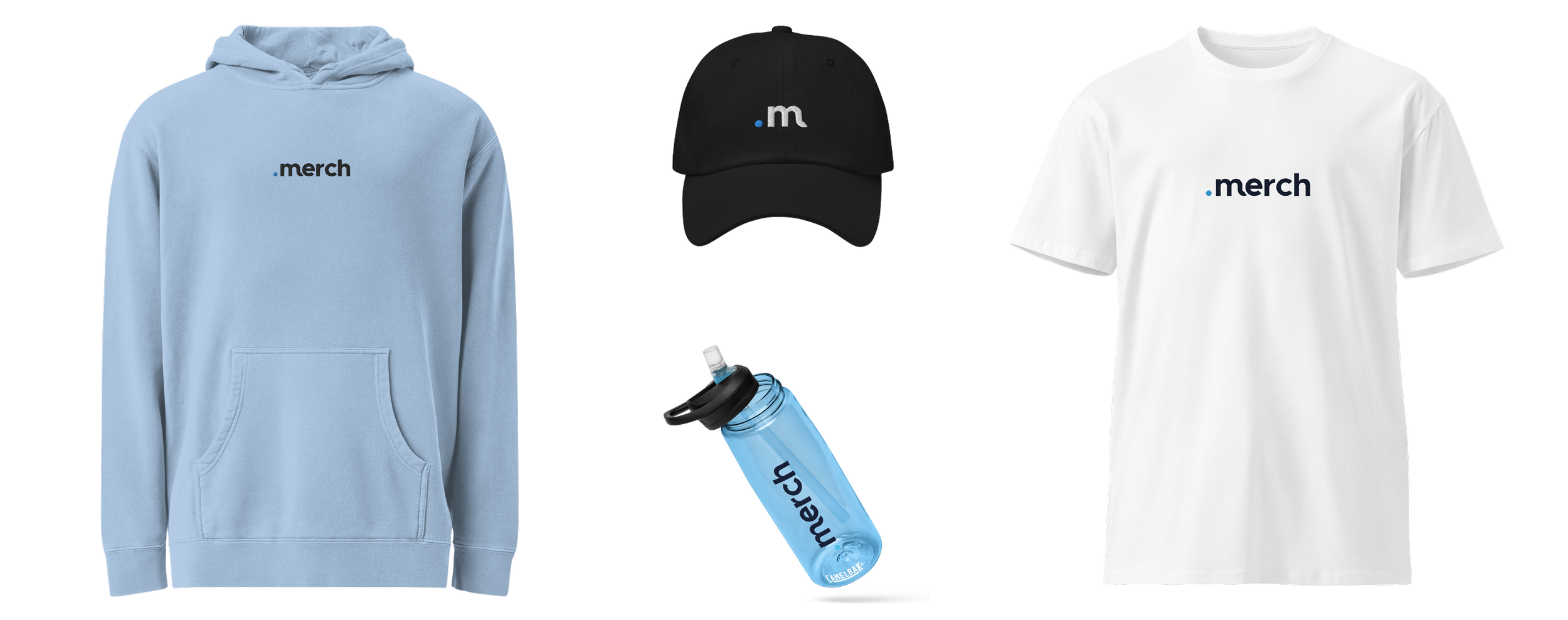
Pictured above: Merch Merch
Background
Merch is a startup serving the entire supply chain for custom merchandise, from concept to delivery. Some particularly popular custom merch use cases (i.e. conferences, on-sites, gifting) have particularly inflexible delivery dates. When merchandise is a key part of an in person experience, it can’t be late.
All that to say, customers were reporting that their custom merchandise shipments were arriving after their requested in hands date. I checked the data to confirm.
Aside**
Some events of the custom merchandise pipeline (needle & thread, packing, shipping, etc.) naturally exist outside of my digital realm. Accordingly, I was tasked with investigating and redesigning the digital experience that I could influence; the many little steps in Merch’s platform that lead to and impact the ever important in hands date.


Identifying the Problem
After investigating the data and reviewing our customer feedback, I identified the primary causes of these late arrivals:
Incorrect Date Offerings
In checkout, customers request an in hands date by picking a date on the calendar. The calendar automatically disables dates that aren’t possible (i.e. if the fastest turnaround was 10 days, users can’t select a day sooner).
However, these 10 days reflected Merch’s production timeline and didn’t account for the 2-3 days customers often needed to review mockups and give final approval. That means, often times, we were already late before we even started production.
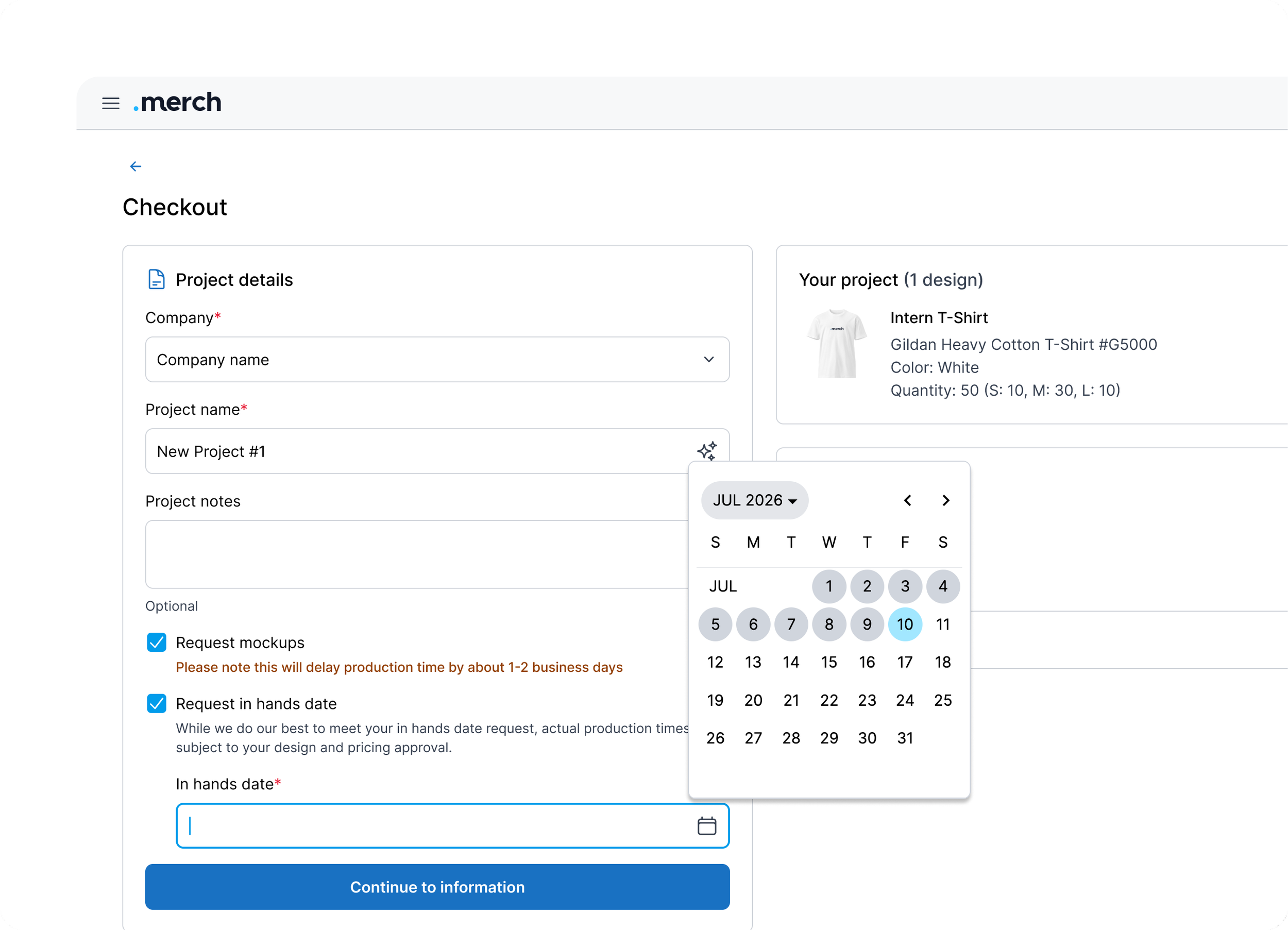
Lack of Transparency
There was also limited communication regarding rush fees; if customers picked a date within the “rush fee range,” they weren’t given a straightforward value.
This was a legacy, bandaid solution that existed because of previous data limitations that had since been addressed. The design, however, remained outdated.
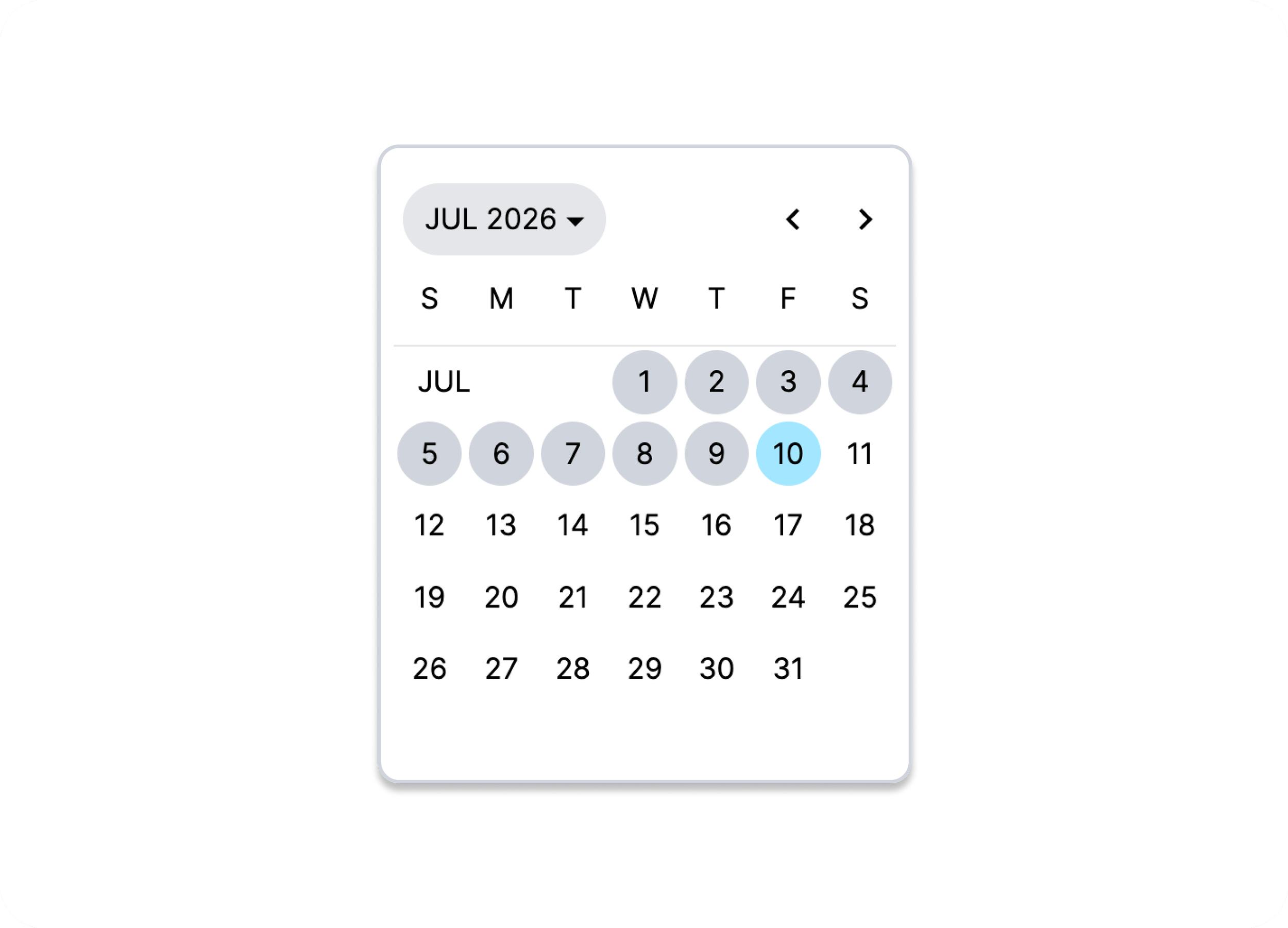
TL;DR: Overpromising & Underdelivering
The existing design was flawed.
It overpromised by 2-3 days and didn’t communicate that those couple days depended on the customers’ own timely approval.
In addition, the ambiguity around rush fees had the potential to mislead customers. I wondered if customers would be less likely to request such quick turnarounds had they known the fee amount at the time of checkout.

Competitive Research
There are good designs already out there for requesting a delivery date.
I examined companies specifically in the merchandising industry, since their user flows would address very similar use cases –– ordering custom merchandise, often in bulk, needed by a particular day: Swag.com, SwagUp, and Real Thread.
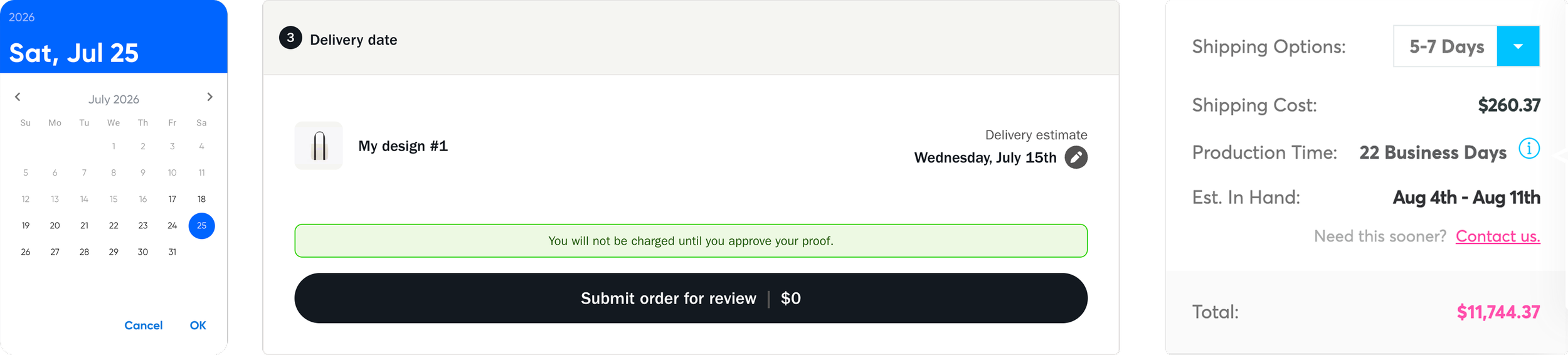
Findings

Placement
The in hands date request typically occurs in checkout, after the shipping address input.

Default Inputs
Platforms usually entered a date automatically –– and not the soonest possible one.

Setting the Tone
Quick turnaround times are often framed as additional requests, not a guarantee. Softer copy like “by request,” “upgrade,” and “contact us” set expectations.
Cross-Functional Collaboration
Since the in hands date is a key touchpoint in our primary revenue flow, it was important for me to share the design concepts with my cross-functional partners early and often.
Customer Success
Customer Success had the best insight to the issue; not only as custom merchandise facilitators (overseeing customer orders to ensure timely fulfillment), but also as end users themselves (placing orders on behalf of customers).
From our collaboration, I learned:
2-3 business days
Average time it takes to get a customer’s approval. Rare cases could take two weeks.
10 business days
The fastest possible production time from the approval date (rush fees, oversight, all hands on deck).
14 business days
The fastest reasonable production time from the approval date that we’re comfortable guaranteeing.
Leadership
There were two primary business goals I needed to keep in mind:

Decrease the number of late shipments
Keep clients happy and reduce churn rate

Decrease facilitation needed per order
Meeting tight turnarounds requires a lot of time from Customer Success
Engineering
As I ideated new concepts like approval due dates, calendar gradients, and rush fee calculations, I met with Engineering to confirm feasibility and understand constraints.
The engineering team also helped identify edge cases and overlapping concepts (i.e. requesting mockups can also delay production).
Ideation
It became clear that we needed to communicate to customers that their timely approval is imperative for on-time deliveries. I also wanted to set up guardrails that would help guide our user’s choices.
Concept #1: Introducing a Buffer
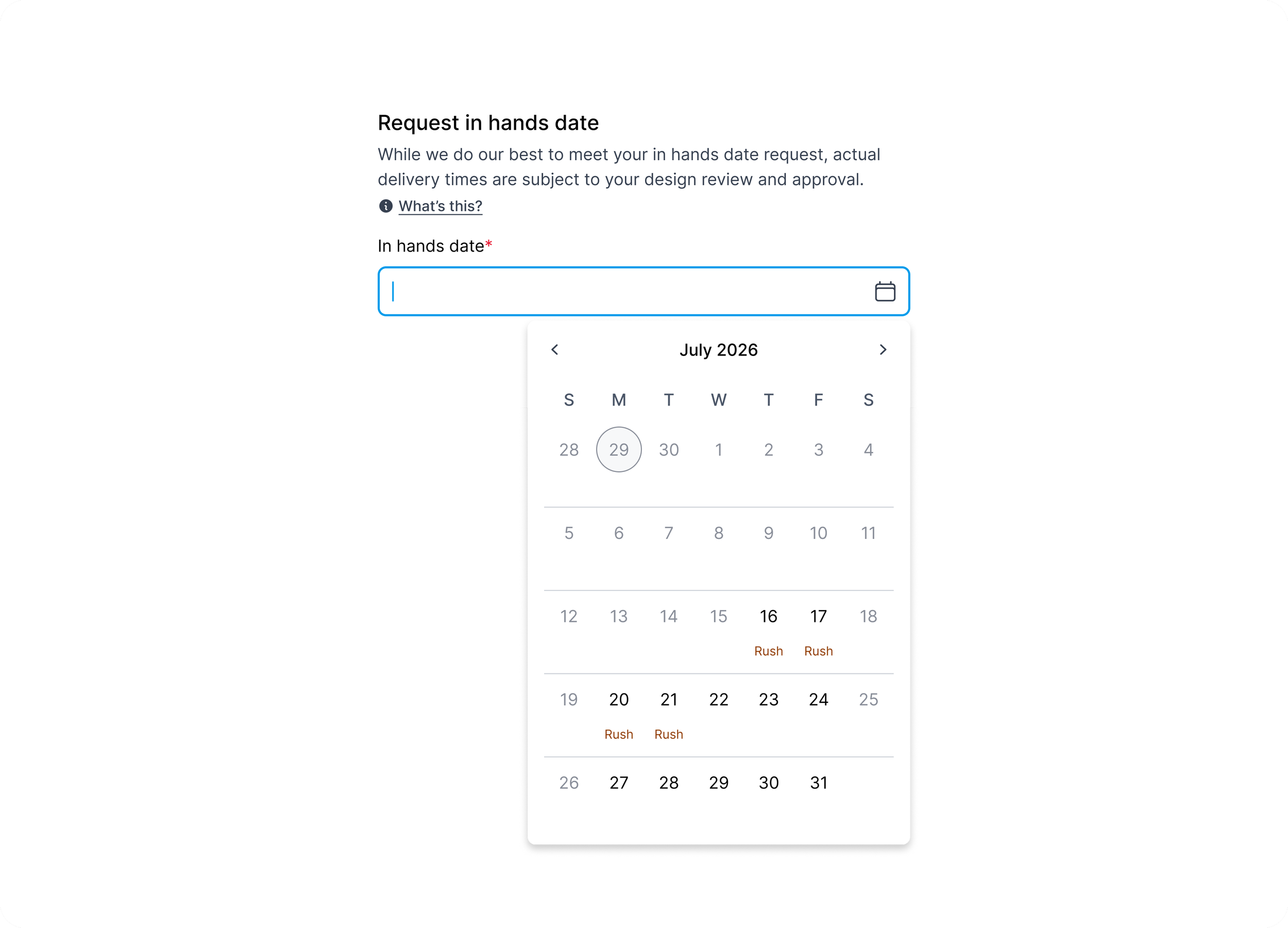
I added a buffer to our date picker to account for the 2-3 day approval time our customers often needed. For example, instead of disabling 10 business days, I disabled 12. This would set expectations accurately.
Concept #2: Clearer Deadlines
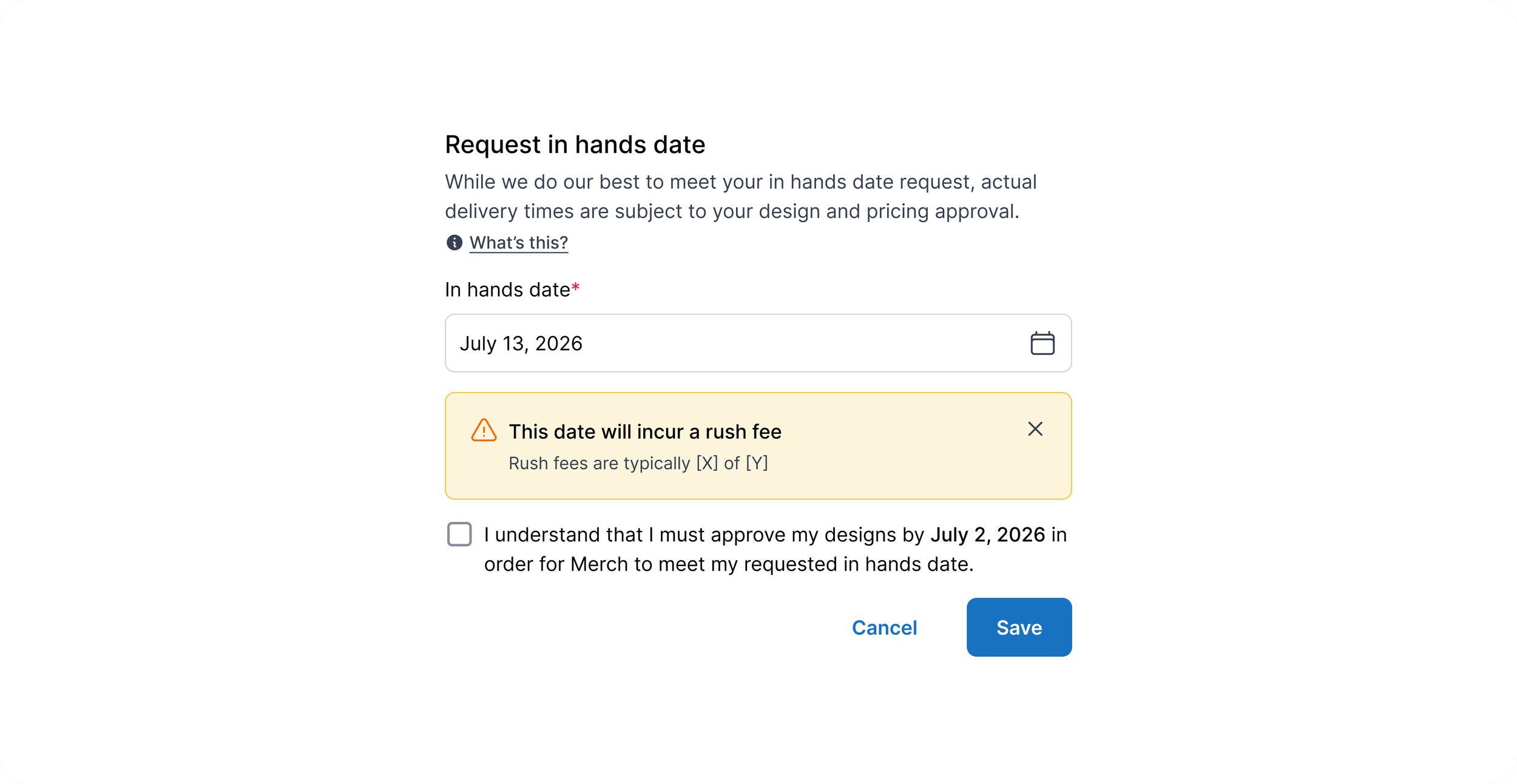
I introduced an “approval due date” to establish that production timelines depend on customer approval. This also empowers customers to place orders; some customers reported shying away if they weren’t confident in their designs. Letting them know that Merch doesn’t start production without their final OK gives reassurance that was missing before.
Stakeholder Feedback
After the ideation phase, I shared my designs via Slack as well as in dedicated calls. Collecting feedback early and often helped me stay on track and ensure the design was operating with the correct information and within the necessary constraints.

Account Management
Looks great!

Leadership
Love the idea of an approval due date!
Leadership
We should consider upping communication when approval due dates are approaching.
Leadership
We can get rid of the word “typical,” that sounds like it’s up for negotiation.
Account Management
We need to take into account that international orders will have longer timelines…
Usability Testing
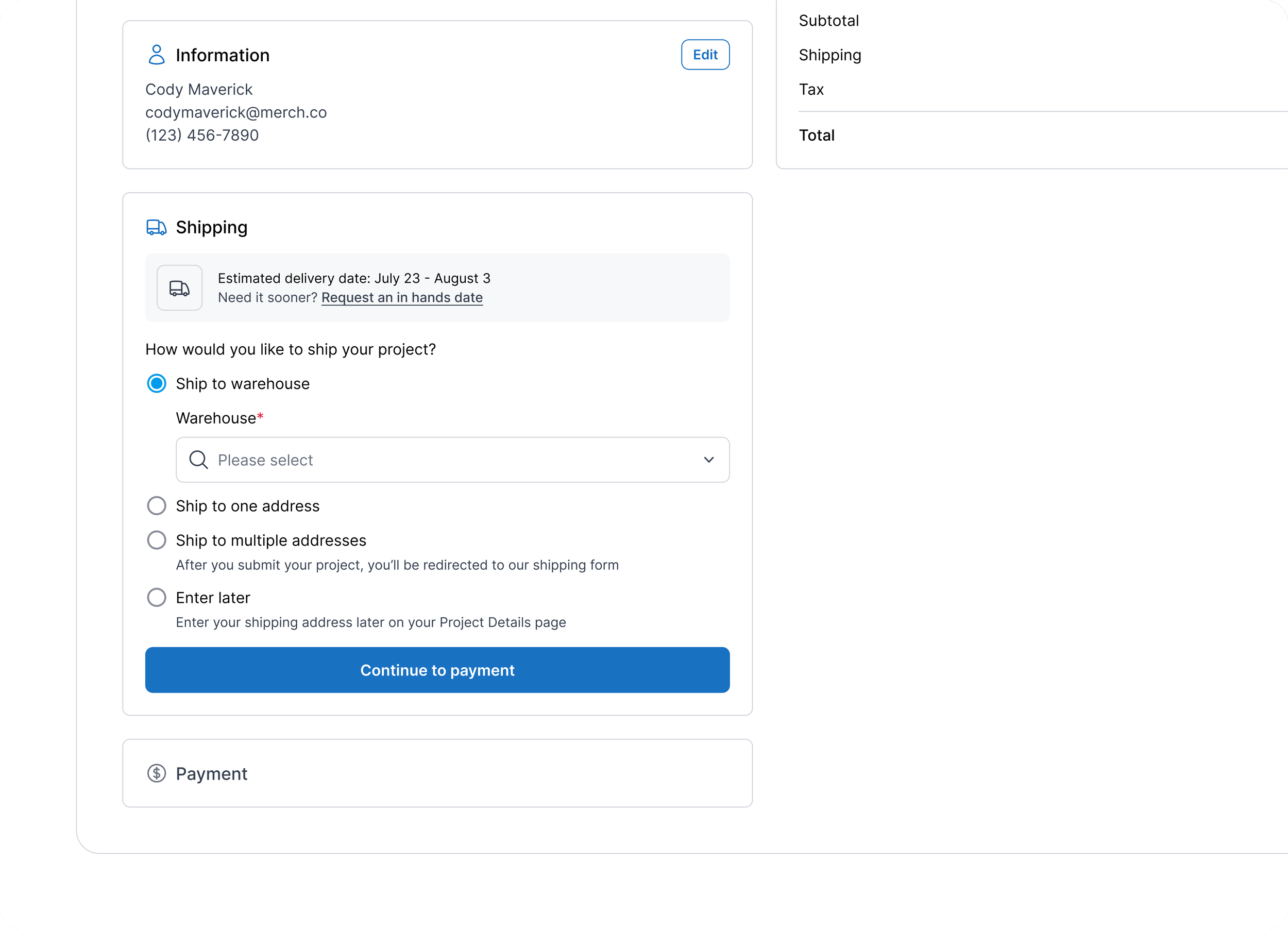
In my tested design for requesting an in hands date, the request link sat above the shipping address selection. I thought it made sense to display the estimated delivery dates upfront, since it was such an important component of the ordering flow.
However, usability testing proved this placement was confusing and didn’t match the mental models already in place.
The Tested Design
The tested design displayed the estimated delivery date as the first element in the shipping card. The intent was to show this key information as early as possible, but user testing proved the placement wasn’t intuitive and did not match how users thought of their delivery dates.
The Iterated Design
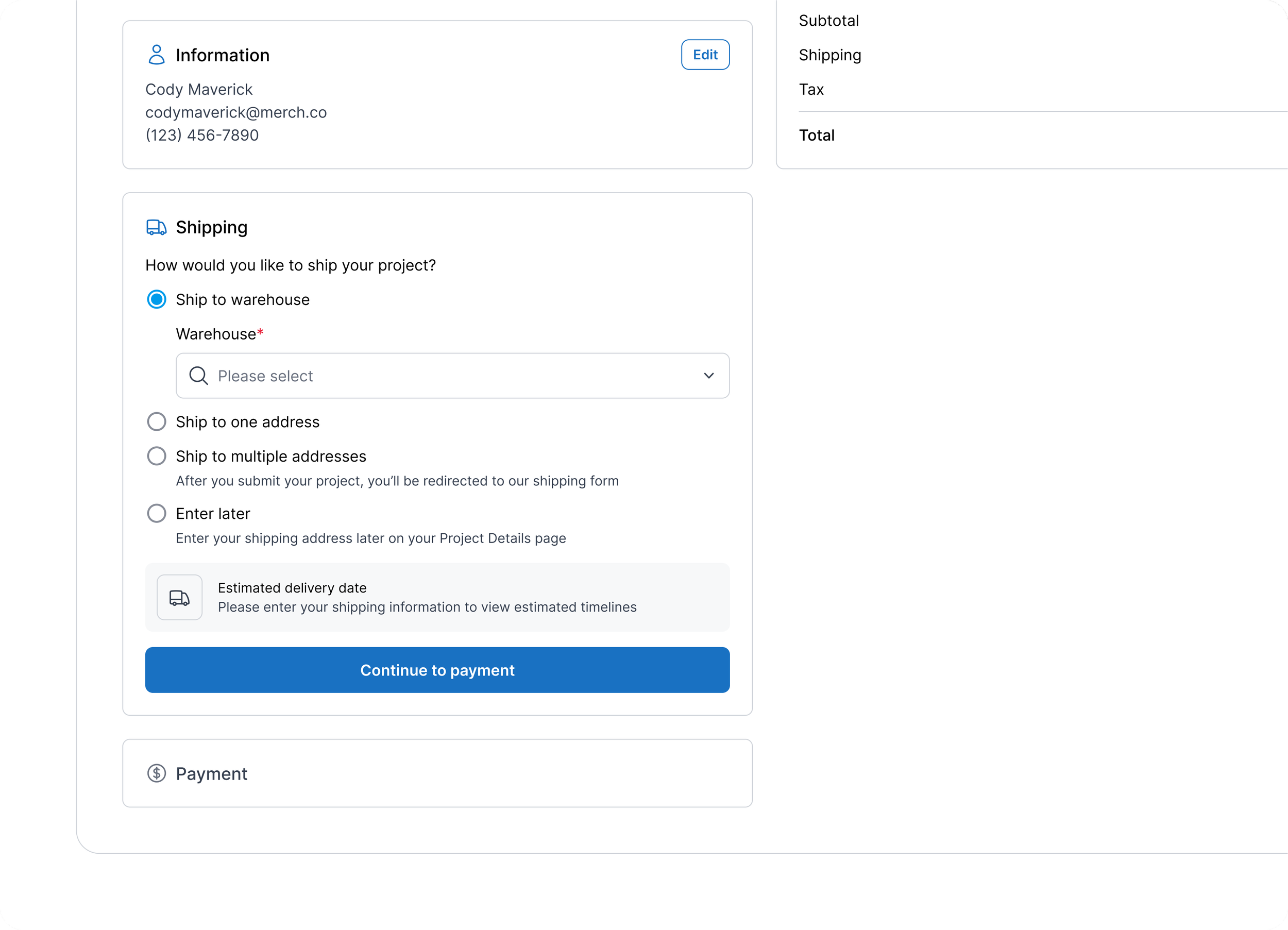
I moved the estimated delivery date banner to display after the shipping address input. This placement made much more sense, since the address input could trigger a recalculation of the delivery date anyways.
The Shipped Design
After iterating on the design and reviewing it with Leadership, Customer Success, and Engineering for final approvals, I had my final design.
The New Design Placement
The in hands date request now lives in the Shipping card, at the bottom. I also restyled the visual design from the original checkbox design. This helps ground the flow a little more by indicating its importance through the elevated visual design.
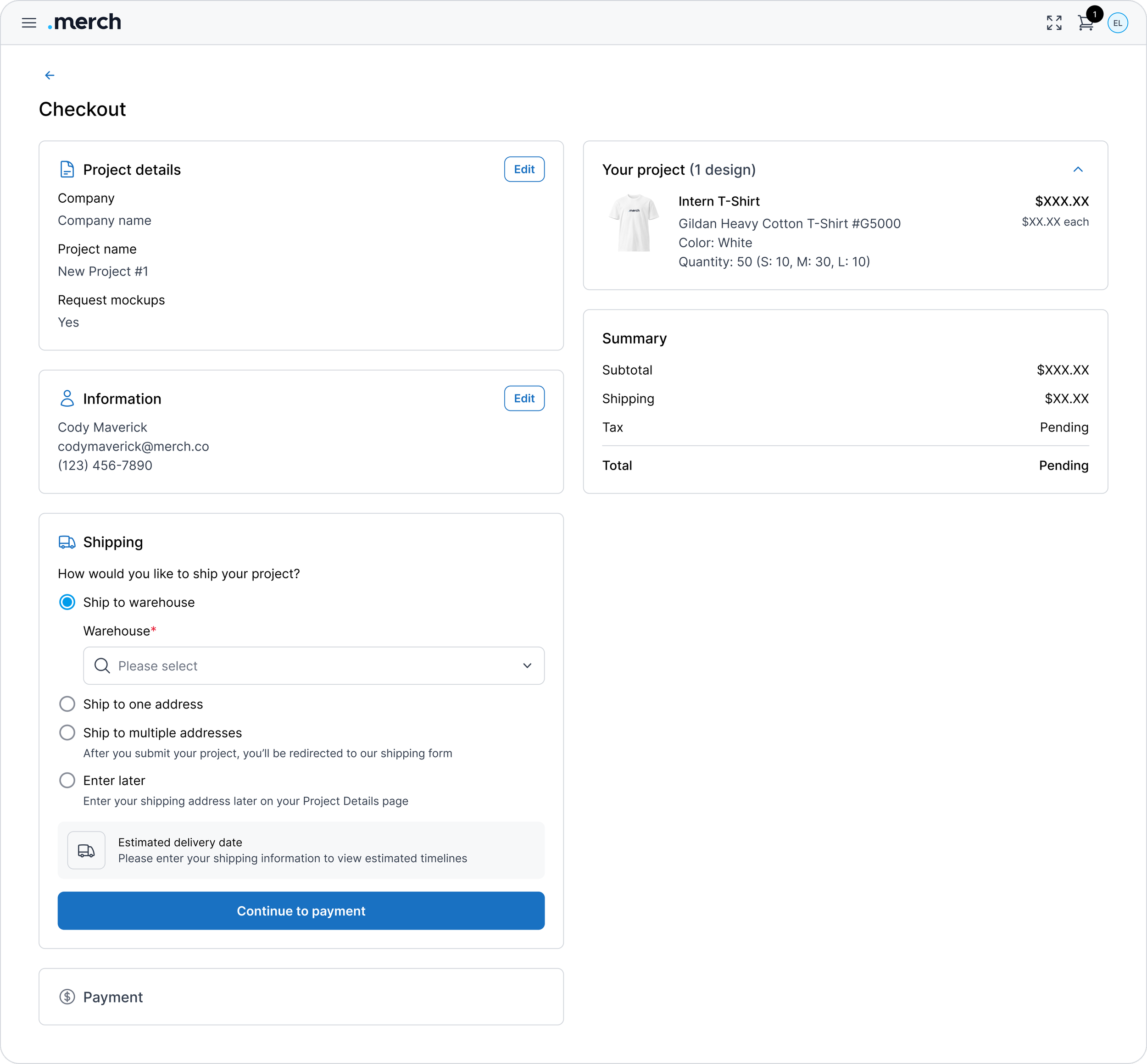
Estimated Delivery
Once a shipping selection is made, the card automatically loads the approximate delivery time as well as the option to request an in hands date. As informed by my competitive research, I softened the copy that discussed the in hands date.
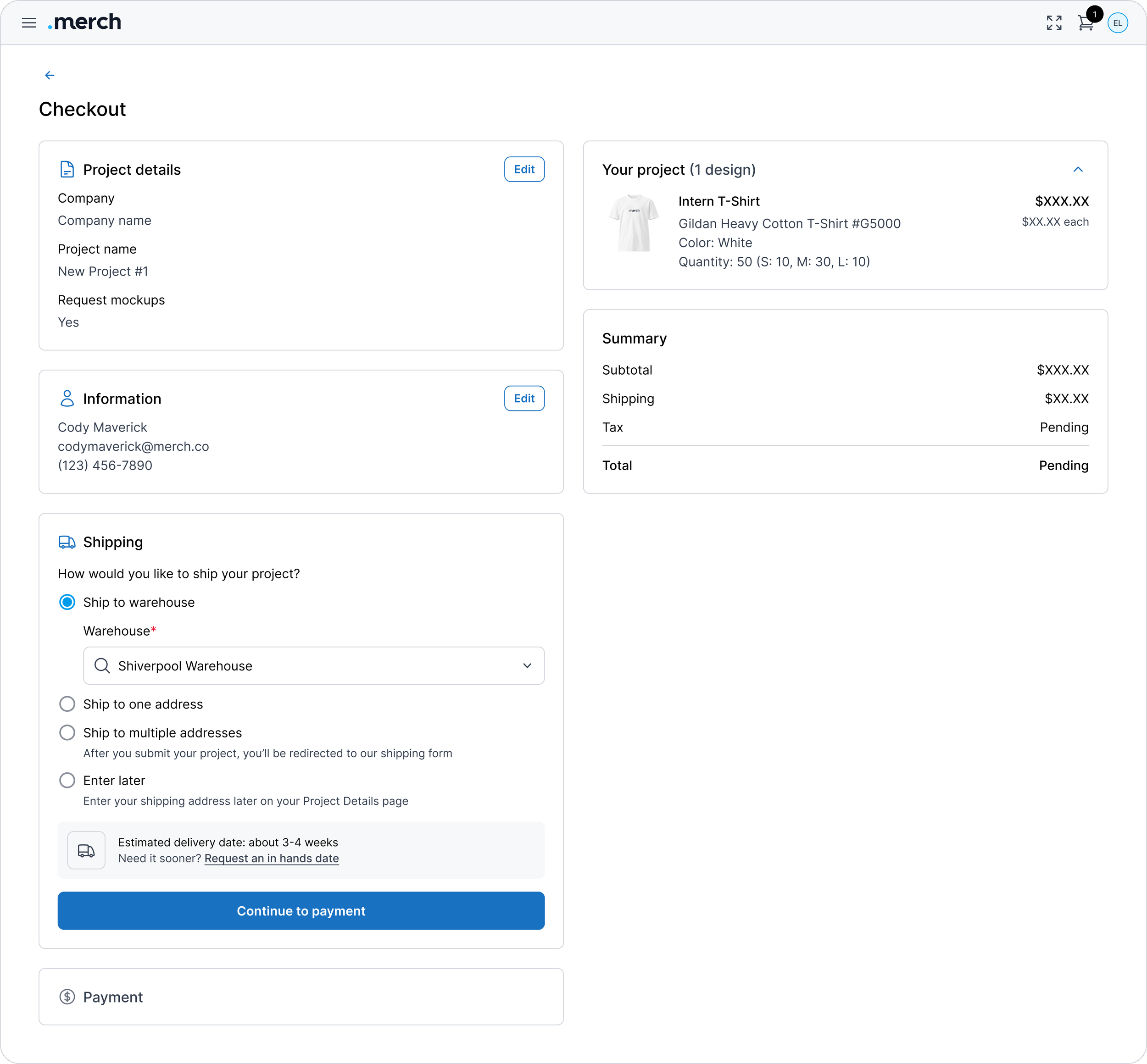
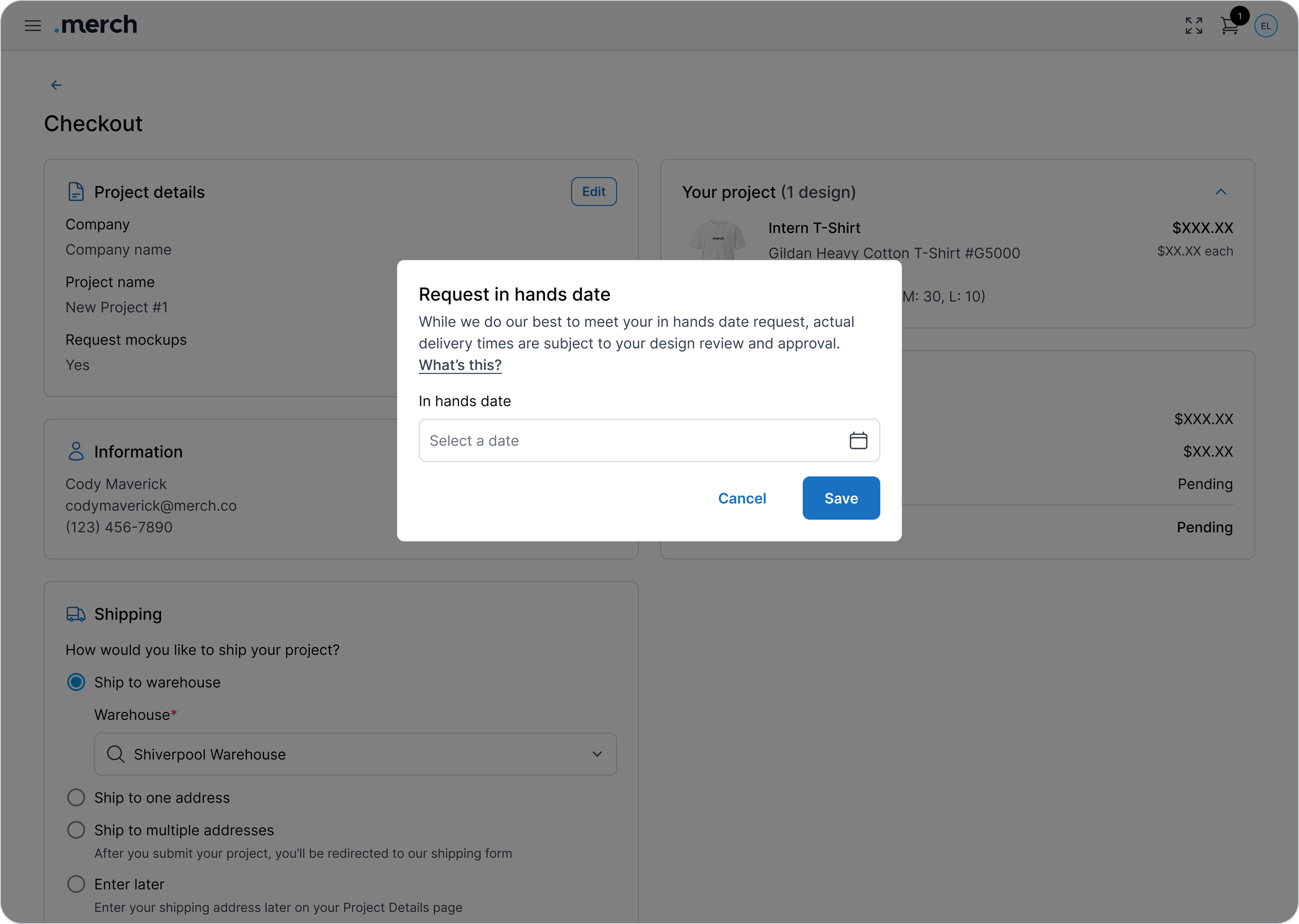
Need It Faster?
Clicking “Request an in hands date” triggers the new modal experience. Creating a dedicated flow, instead of embedding it in the card, helped ground the experience and offered more real estate to communicate with users about delivery times and approvals.
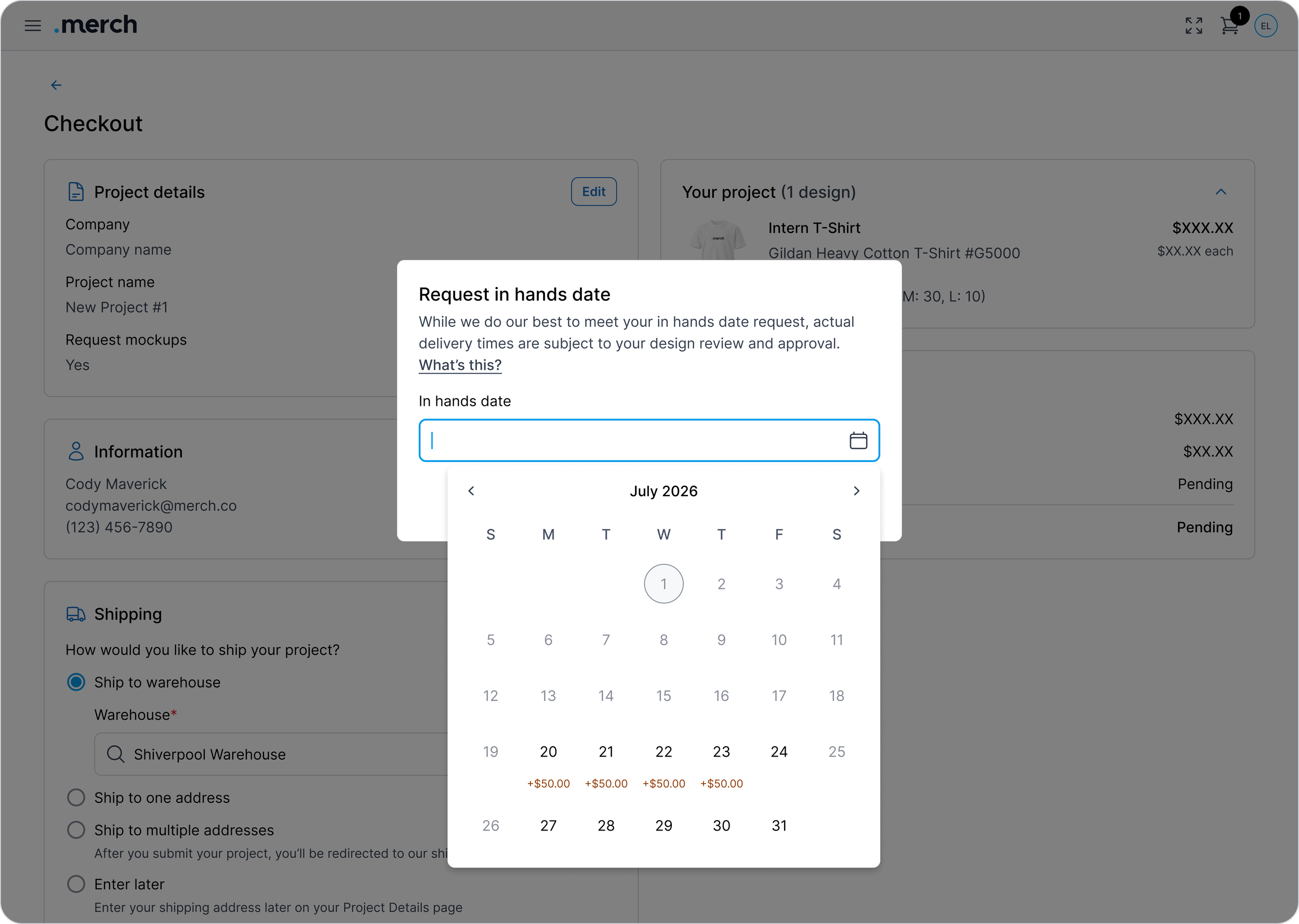
Date Gradients
After learning from account managers about timelines, I established a window for rush fees. If 12 business days represent the fastest turnaround time we could offer (including that approval buffer!) while 16 business days and on we were comfortable guaranteeing, anything in between constituted a rush fee because of the extra lift required.
An Ode to Transparency
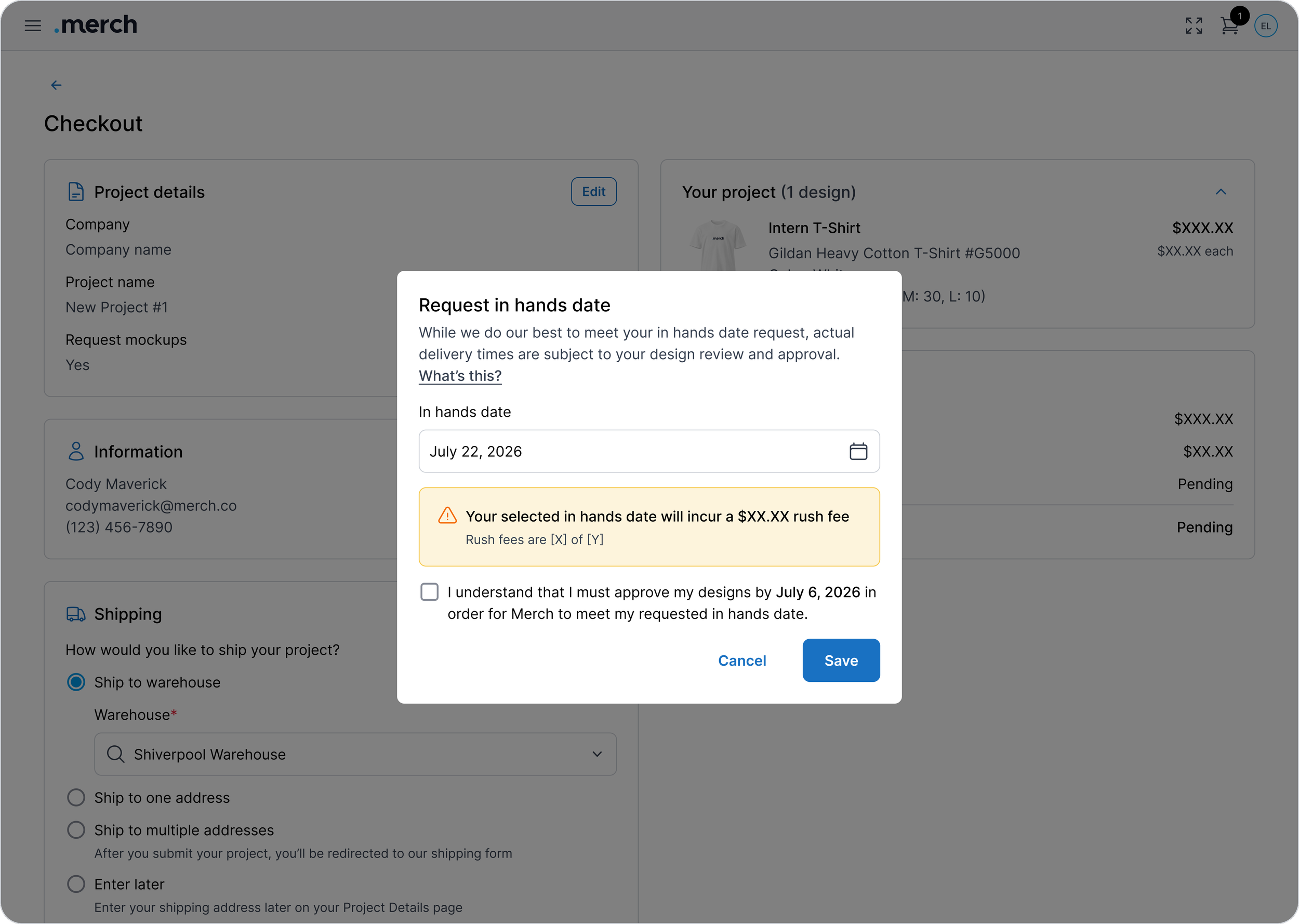
If a rush date was selected, the rush fee is highlighted again with a warning banner along with an explanation of how it was calculated.
In addition, an approval due date confirmation will appear. Customers see which day they need to approve their designs by in order to stay on track! To move forward, customers need to acknowledge the due date.
Visible Reminders
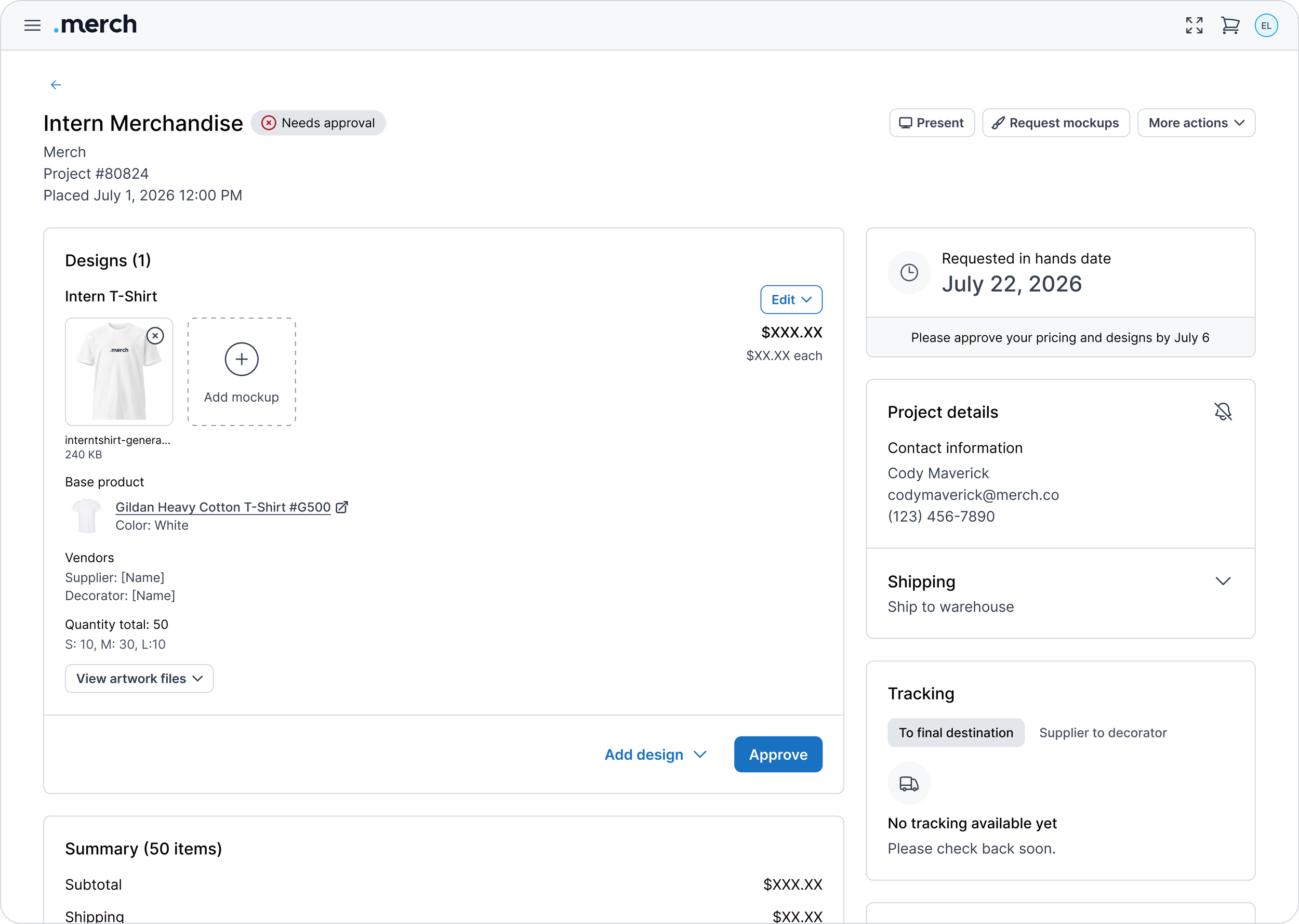
After submission, users are reminded when their approval due dates are on their order details page. Before, we didn’t have a place in our UI to show this key information to customers. Back then, requesting an in hands date could feel like shouting into a void and hoping someone heard.
Elevated Warnings
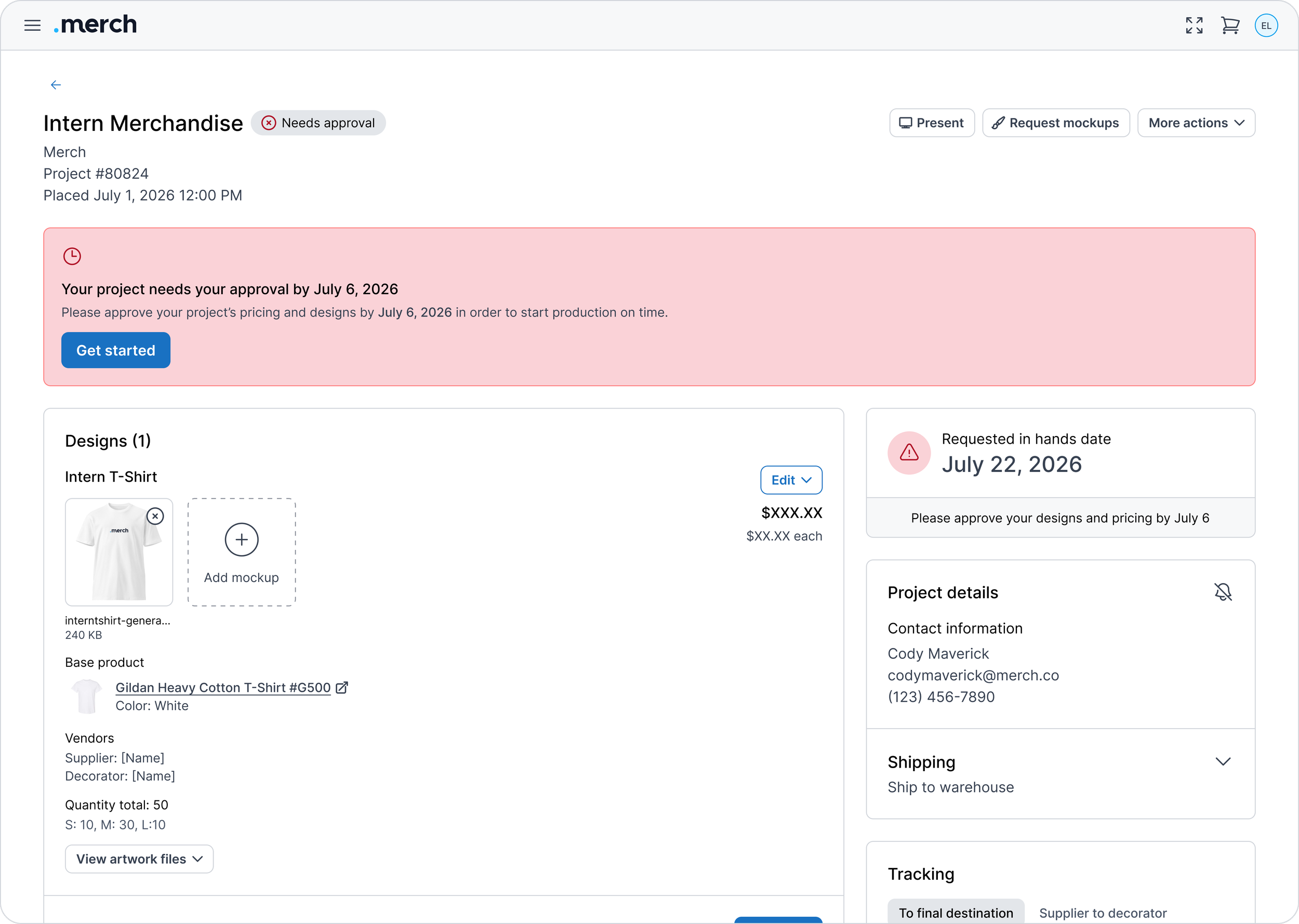
If the customer still hasn’t provided their approval within three days of their due date, we elevate our warnings visually. Meeting in hands dates are critical, and we want to make sure we did our part to help. This is accompanied by an email notification.
Responsive Design Considerations
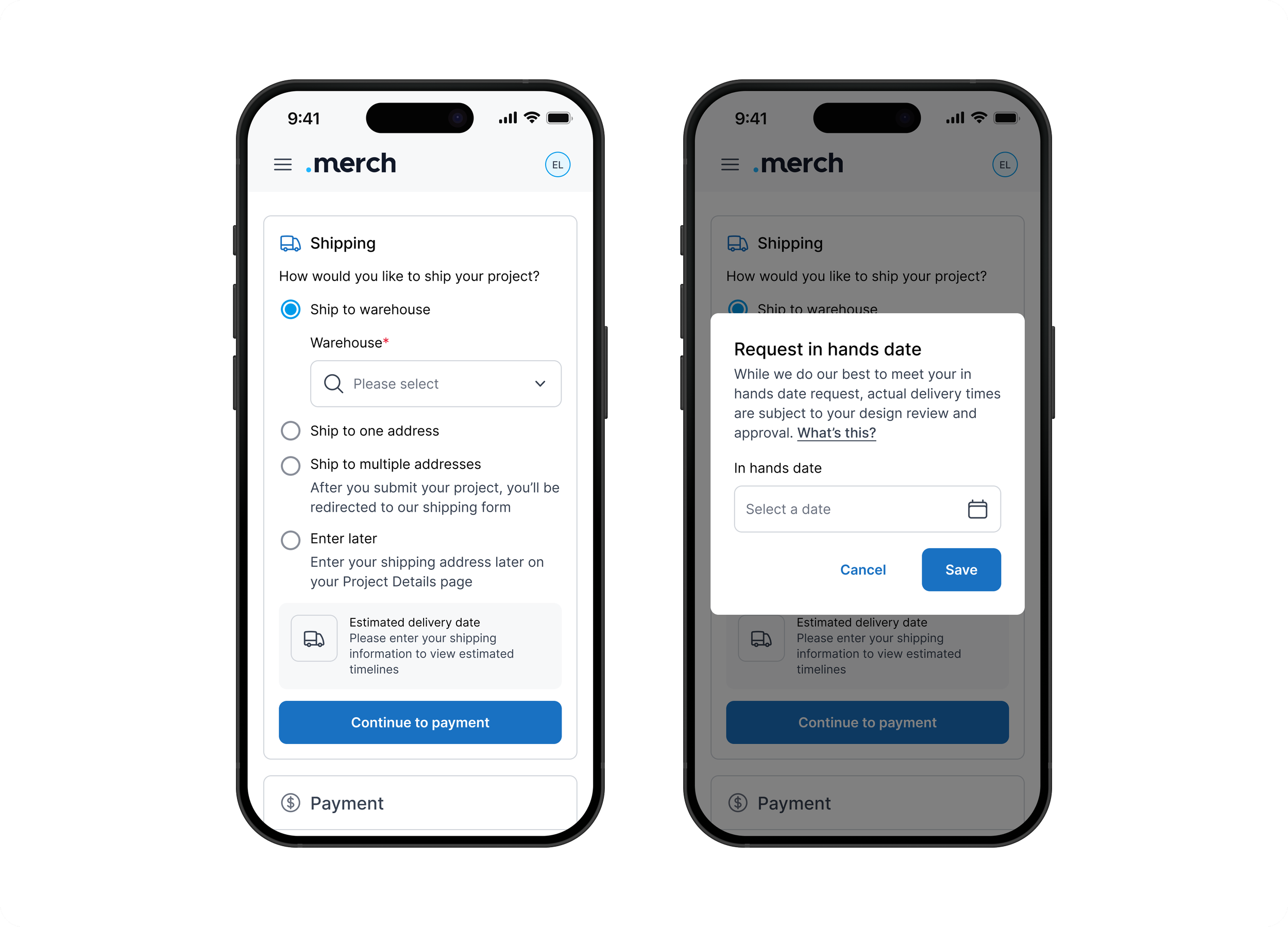
Although Merch’s user base primarily accesses our app on desktop (~90%), I still wanted to provide a workable mobile experience. I followed Tailwind’s breakpoints to create the responsive design layouts.
Conclusion
In the following months after launch, the number of projects arriving after a requested in hands date fell by 18%.
This design is one of my favorites I’ve worked on. It is the culmination of reaching out, learning, listening, and doing my best by our customers, our admins, and our business.
Design worked as the common thread, stitching findings from our users into our business model, and putting rhyme and reason behind the interface.
Thanks to Adam, Austin, Murillo, Nancy, and Ricardo for their time, teachings, and trust.
“Rush fee added to projects!!
Incredible ✨ and life changing”
- A happy Merch user :)